
Modern dental practices handle a wide range of procedures, from routine cleanings and restorative treatments to complex surgical and implant procedures. Each of these treatments requires specialized dental instruments that deliver consistent performance and durability. Poor-quality tools can affect treatment efficiency, increase maintenance costs, and potentially compromise patient satisfaction. For these reasons, quality dental instruments play a critical role in the success of every modern dental clinic.
The Foundation of Precision in Dental Care
Quality dental instruments are essential because they provide the precision needed for accurate diagnosis and treatment. Every dental procedure, regardless of complexity, requires tools that allow practitioners to work with confidence and control. Instruments that are manufactured to high standards help reduce errors and support consistent clinical performance. This precision contributes directly to better patient outcomes and improved treatment success.
Dental professionals rely on a variety of diagnostic instruments to identify oral health conditions and develop effective treatment plans. Instruments such as mirrors, explorers, and periodontal probes must deliver reliable results during every examination. High-quality tools maintain their functionality over time, ensuring consistent accuracy in daily practice. By investing in precision instruments, clinics can improve both diagnostic efficiency and treatment quality.
Enhancing Patient Safety During Procedures
Patient safety is one of the most important priorities in modern dentistry. Quality dental instruments are designed to meet strict manufacturing and sterilization standards, helping reduce risks associated with clinical procedures. Reliable instruments maintain their structural integrity even after repeated sterilization cycles, ensuring safe and effective performance. This consistency is vital for preventing complications and maintaining a safe treatment environment.
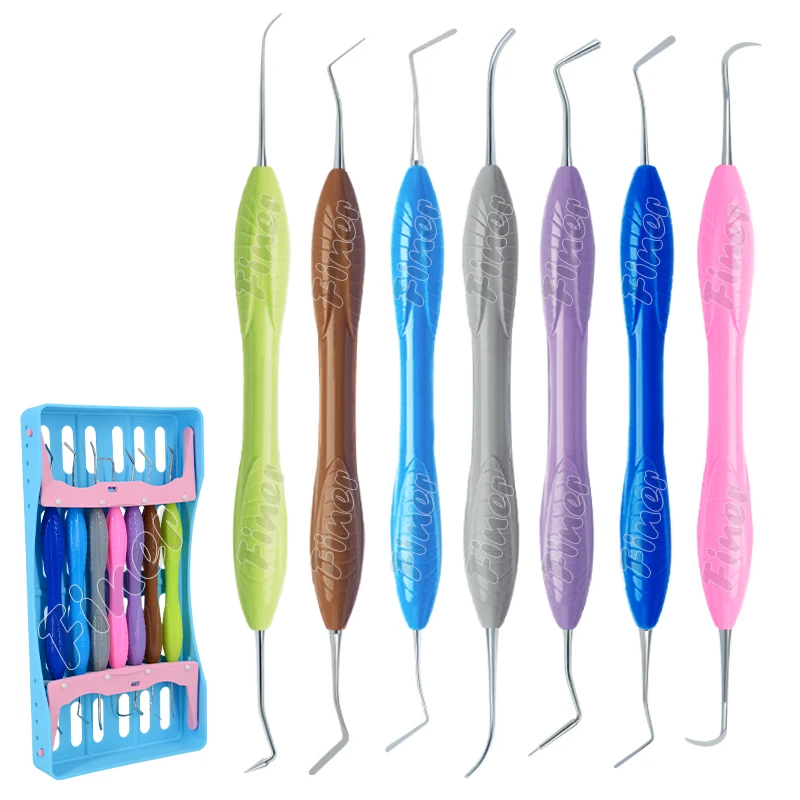
Advanced dental procedures often require surgical instruments that can perform delicate tasks with exceptional precision. Dental Instruments made from premium materials are less likely to experience wear, damage, or performance issues during treatment. As a result, practitioners can focus on delivering optimal care without concerns about equipment reliability. High-quality instruments therefore contribute significantly to patient protection and clinical confidence.
Improving Efficiency and Workflow in Modern Clinics
Efficient workflow is essential for maintaining productivity in busy dental practices. Quality dental instruments help streamline procedures by providing dependable performance and reducing interruptions caused by equipment issues. When instruments function properly, practitioners can complete treatments more efficiently while maintaining high standards of care. This increased efficiency benefits both dental teams and patients.
Reliable instruments also reduce the time spent on repairs, replacements, and troubleshooting. Clinics that invest in durable dental surgical instruments often experience lower long-term operating costs. Staff members can focus more on patient care rather than managing equipment-related challenges. Over time, this improved workflow contributes to greater operational success and patient satisfaction.
The Importance of Durable Materials and Construction
The longevity of dental instruments depends heavily on the quality of materials used during manufacturing. High-grade stainless steel remains one of the most trusted materials because of its strength, corrosion resistance, and durability. Instruments constructed from premium materials can withstand frequent use and repeated sterilization without losing effectiveness. This durability ensures consistent performance over an extended period.
Many modern practices also utilize titanium-coated instruments and silicone-coated instruments for specialized applications. These advanced options offer enhanced wear resistance, improved handling, and greater practitioner comfort. Investing in well-constructed instruments reduces replacement frequency and maximizes long-term value. Durable tools ultimately support both financial efficiency and clinical excellence.
Supporting Advanced Dental Procedures
Modern dentistry increasingly involves specialized treatments such as implant placement, oral surgery, and microsurgical procedures. These advanced treatments require instruments capable of delivering exceptional accuracy and control. High-quality surgical instruments allow practitioners to perform complex procedures with confidence and precision. Their performance directly influences treatment success and patient outcomes.
Implantology kits and microsurgical instruments are particularly important in advanced dental care. These tools are designed to support minimally invasive techniques and improve procedural efficiency. By utilizing premium instruments, dental professionals can enhance treatment accuracy while minimizing patient discomfort. This combination of precision and reliability is essential in modern clinical practice.
The Value of Specialized Instruments in Dentistry
Different dental specialties require unique tools tailored to specific treatment needs. Orthodontic practices depend on orthodontic pliers for precise wire adjustments and appliance modifications. Oral surgeons require extraction instruments that provide strength and control during complex procedures. Selecting specialty-specific instruments ensures that practitioners can deliver the highest level of care.
Custom dental instruments have also become increasingly popular among modern practitioners. These instruments can be designed to meet individual preferences and workflow requirements. Personalized solutions often improve efficiency and practitioner comfort while supporting specialized treatment approaches. As dentistry continues to evolve, specialized instruments remain a valuable investment for forward-thinking clinics.
Ergonomics and Practitioner Comfort
Dentistry is a physically demanding profession that often requires long periods of precise hand movements. Poorly designed instruments can contribute to fatigue, discomfort, and repetitive strain injuries over time. Ergonomic dental instruments are specifically engineered to improve comfort while maintaining exceptional functionality. Their design supports healthier working conditions for dental professionals.
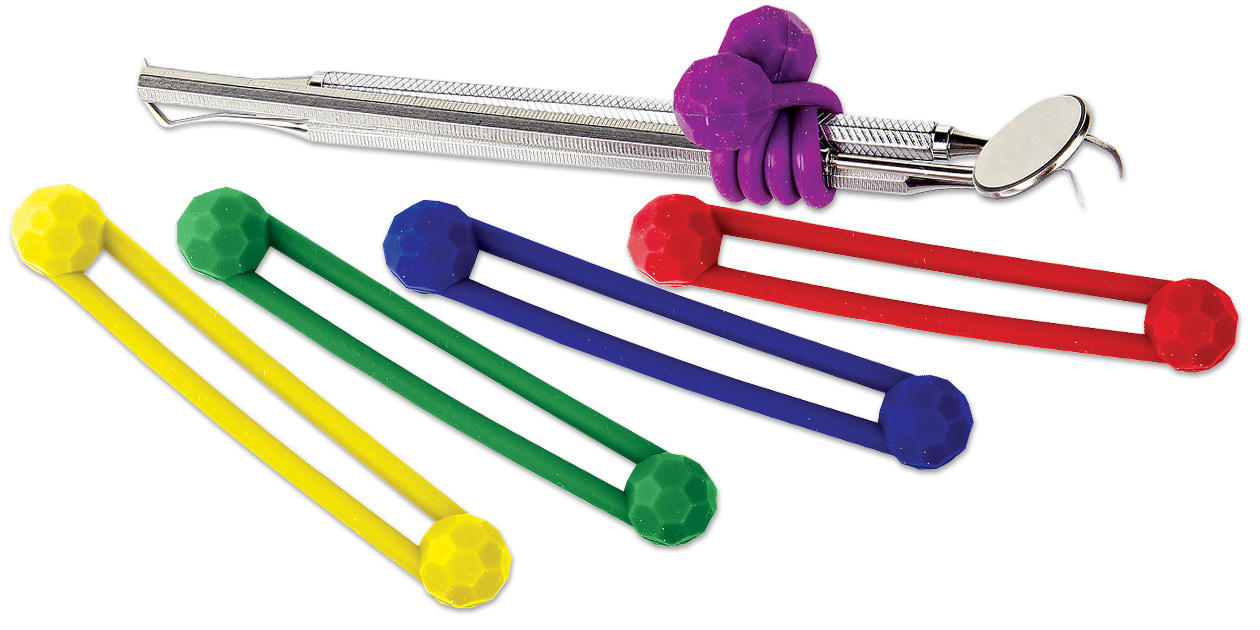
Comfortable instruments also enhance treatment precision because practitioners can maintain better control during procedures. Features such as lightweight construction, balanced handles, and textured grips improve usability and reduce hand strain. Investing in ergonomic tools benefits both practitioners and patients by promoting consistent performance. This focus on comfort is increasingly important in modern dental environments.
Maintaining Professional Standards and Reputation
The quality of instruments used in a dental practice often reflects the overall commitment to excellence. Patients are more likely to trust clinics that prioritize advanced equipment and high standards of care. Professional dental instruments contribute to smoother procedures, improved outcomes, and a more positive patient experience. These factors help strengthen a clinic’s reputation within the community.
Consistently delivering high-quality care can also lead to greater patient retention and referrals. When patients feel confident in the services they receive, they are more likely to recommend the practice to others. Reliable instruments play an important role in creating this confidence. Investing in quality equipment therefore supports both clinical success and business growth.
Frequently Asked Questions
1. Why are quality dental instruments important?
They improve treatment accuracy, efficiency, patient safety, and overall clinical performance.
2. What materials are commonly used in professional dental instruments?
High-grade stainless steel, titanium-coated materials, and specialized alloys are commonly used.
3. How do quality instruments improve patient care?
They support precise procedures, reduce complications, and contribute to better treatment outcomes.
4. Are premium dental instruments worth the investment?
Yes, they offer greater durability, reliability, and long-term value compared to lower-quality alternatives.
5. What specialized dental instruments are commonly used today?
Examples include orthodontic pliers, extraction instruments, implantology kits, and microsurgical instruments.
Conclusion
Quality dental instruments are essential for every modern dental practice because they directly influence precision, efficiency, safety, and patient satisfaction. From diagnostic instruments and extraction instruments to implantology kits and microsurgical instruments, every tool plays a vital role in delivering exceptional dental care. Investing in durable, ergonomic, and professionally manufactured instruments helps practitioners achieve consistent clinical success while maintaining high standards of treatment. As dentistry continues to advance, quality instruments will remain a fundamental component of effective and patient-focused dental care.